












An Ongoing Project

Building a fabric for One Nation, One Cyber Response

India has a cybercrime problem that is growing faster than our ability to see it. What approaches could bring it to near-zero?

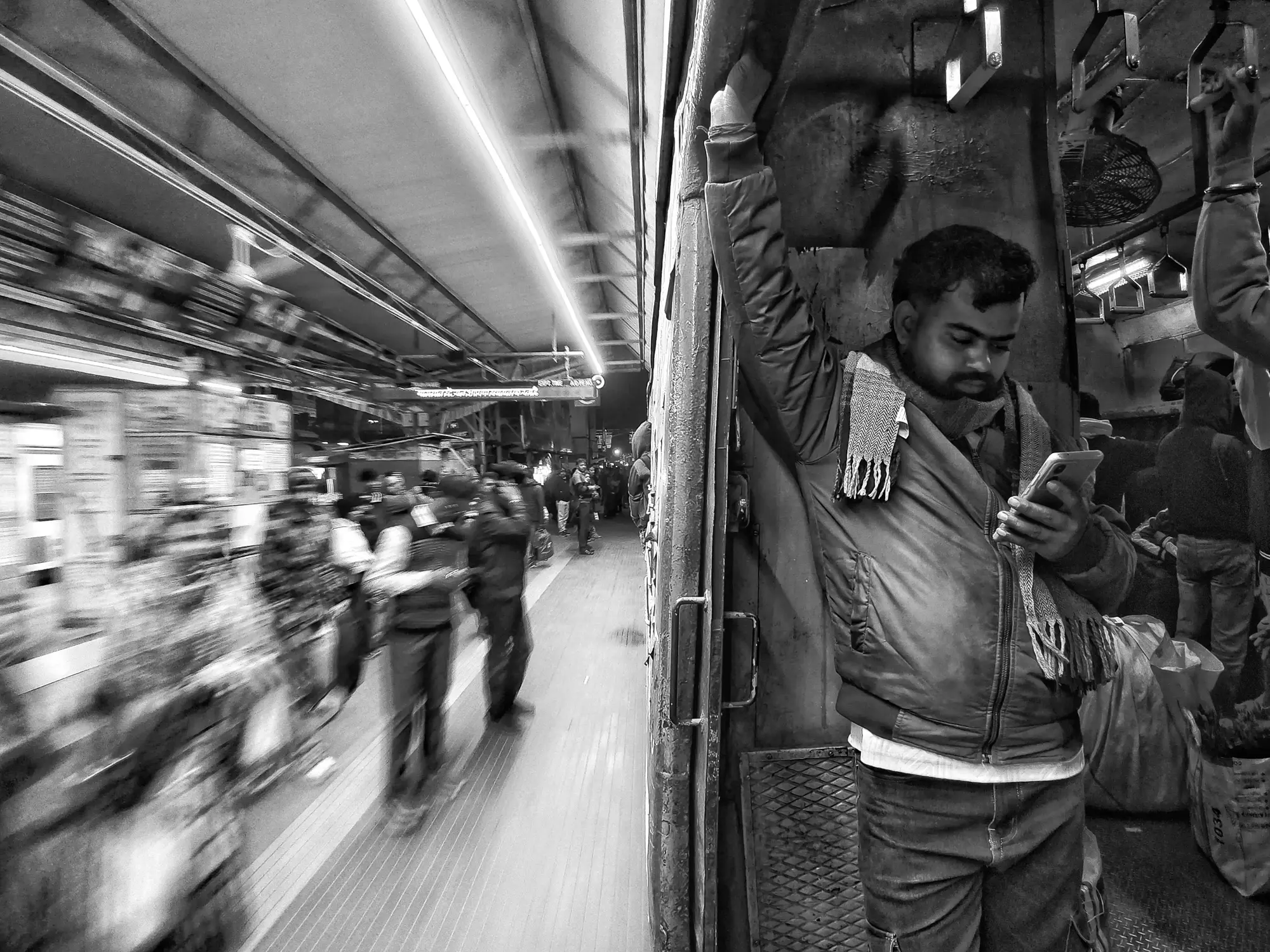
Indian man in train coach using phone
01 / The Disconnected Reality

India has a cybercrime problem that is large, fast-moving, and difficult to see as a whole.

Millions of complaints, thousands of criminal enterprises, and billions in losses are recorded across different systems. Fragmented data, individual responses against organised criminal enterprise.

"He who chases two rabbits catches neither." How do you chase millions of rabbits?
24.03 LAKH
Complaints in 2025

25% Surge, from 19.19 lakh in 2024.

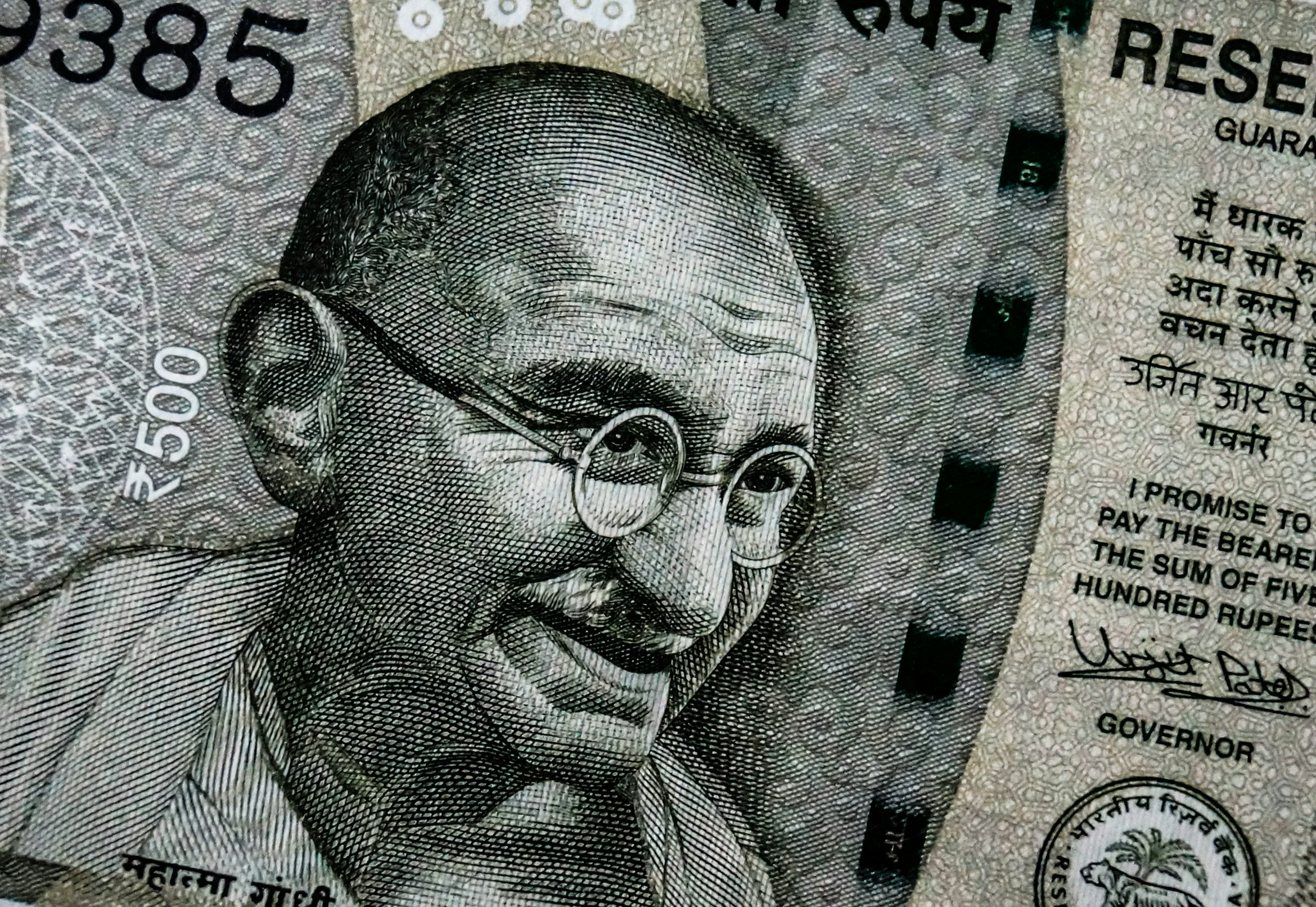
Indian currency macro
The National Fiscal Hemorrhage
₹22,495 CRORE
DRAINED FROM CITIZENS IN 2025

Siphoned out of citizen wallets, small business working capital, and family retirement corpuses. These are reported numbers. The actual scale is likely much larger.

Indian college students graduation
Human Capital Massacre
1.12 CRORE DEGREES
FOUR YEARS OF UNIVERSITY TUITION WIPED OUT

We lost the equivalent of four full years of undergraduate college tuition fees for approximately 1.12 crore university students, assuming a standard benchmark of ₹50,000 per year.

Vibrant view of Gangtok's hillside architecture with lush green surroundings under a clear sky.
Public Finance Scale
1.39x SIKKIM'S BUDGET

Outstripping the Entire Sovereign Annual Outlay of a State

The annual financial loss is way more than what many states in India spend in a year.

Sikkim 2025–26 Net State Expenditure ₹16,196 Cr
2025 Reported Cyber Fraud Loss ₹22,495 Cr
Scale in Daily Wages
20.6 LAKH DAILY WAGES
Lost to Cybercrime

Every day in 2025, India lost entire day’s wages of more than 20.6 lakh MGNREGA workers. ₹61.6 crore at the national notified wage rate of ₹298.80 per day.

Frontier Scientific Outlay
A CHANDRAYAAN MISSION
LOST EVERY 10 DAYS

India’s historic Chandrayaan-3 lunar mission cost ₹615 crore to reach the south pole of the Moon. At ₹61.6 crore reported stolen every single day, India loses the financial equivalent of a complete lunar mission every 10 days—wiping out more than 36 moon missions every year.

How Many are 24.03 Lakh Victims
Enough to Stand from Patna to Delhi
In 2025 alone, 24.03 lakh cybercrime complaints were logged in India, which is equal to the entire population of Thanjavur district.
If every one of these victims stood shoulder to shoulder in one continuous line, that human chain would stretch longer than the entire 1,200 km highway from Patna through Delhi — and 140 km deep into Haryana, reaching Jind.
The Relentless Daily Toll
6,582
financial-fraud complaints filed every 24 hours
Citizen Pace
1 every 4½ min
a citizen conned every four and a half minutes, around the clock
Indian man in train watching phone
Burden of Suspicion
102 HOURS DOUBTING
NEARLY 3 WORK WEEKS EVERY YEAR

Indians surveyed spend 102 hours a year determining whether messages, alerts, calls and notifications are real or fake. What was once an occasional precaution has become a recurring time cost of being online. 63% say their personal information is more at risk today than a year ago.

Crimes Against Women
76,657 WOMEN
TARGETED IN 2025

Cybercrime against women escalated sharply in 2025, surging by 59% from 48,335 in 2024. A parallel spike of 45,832 complaints of targeted cyberbullying, stalking, and digital blackmail.

Victim in distress holding head
Beyond Balance Sheets

Anxiety, Shame, Sleeplessness, and Loss of Dignity

The cost of cybercrime does not end with money. A 2026 study of Indian financial-cybercrime victims found that many experienced fear, distress, shame, sleeplessness, and loss of peace of mind long after the financial loss. Some also reported strained relationships and diminished trust in institutions.

12A: System in Silos

Cybercrime generates data across banks, telecom operators, platforms and law-enforcement systems. Each institution primarily sees the data created within its own system.

Hover pillars to explore
Bank server infrastructure
01 Siloed Data
01 — SILOED DATA

Siloed Data

Cybercrime generates data across banks, telecom operators, platforms and law-enforcement systems. Each institution primarily sees the data created within its own system.

Person interacting with a digital payment
02 Disconnected Signals
02 — DISCONNECTED SIGNALS

Disconnected Signals

The same phone number, device, account, IP address or beneficiary can appear across multiple incidents and institutions without those signals being connected.

Police control room
03 Delayed Response
03 — DELAYED RESPONSE

Delayed Response

By the time information moves between institutions, the relevant account, device, number or infrastructure may already have changed or moved.

SIM box infrastructure
04 Lost Intelligence
04 — LOST INTELLIGENCE

Lost Intelligence

Every investigation produces useful information about people, infrastructure, methods and relationships. Much of that intelligence remains tied to the individual case.

12B: Missing Connections

Every cybercrime leaves traces across different systems. But recognising that these records refer to the same underlying activity is difficult when systems remain separate.

Hover pillars to explore
Digital infrastructure
01 Signals Exist
01 — VISIBILITY

Signals Exist

Every cybercrime leaves traces — phone numbers, devices, accounts, transactions, IP addresses, complaints and other records. The problem is that these traces sit across different systems.

Person interacting with a digital payment
02 Signals Don't Connect
02 — CORRELATION

Signals Don't Connect

A phone number, device, account or IP address may appear in multiple systems. But recognising that these records refer to the same underlying activity is difficult when the systems remain separate.

SIM box infrastructure
03 Incidents Lose Context
03 — CONTEXT

Incidents Lose Context

A complaint rarely begins with the full history of the entities involved. Earlier incidents, reused infrastructure and related accounts may sit elsewhere or in older cases.

Police control room
04 The Picture Arrives Late
04 — ACTION

The Picture Arrives Late

By the time signals from different institutions are brought together, the relevant accounts, devices, funds or infrastructure may have already moved.

12C: Four Views

One crime, four realities. Each institution primarily sees the data created within its own system, with no shared view of the whole.

Hover pillars to explore
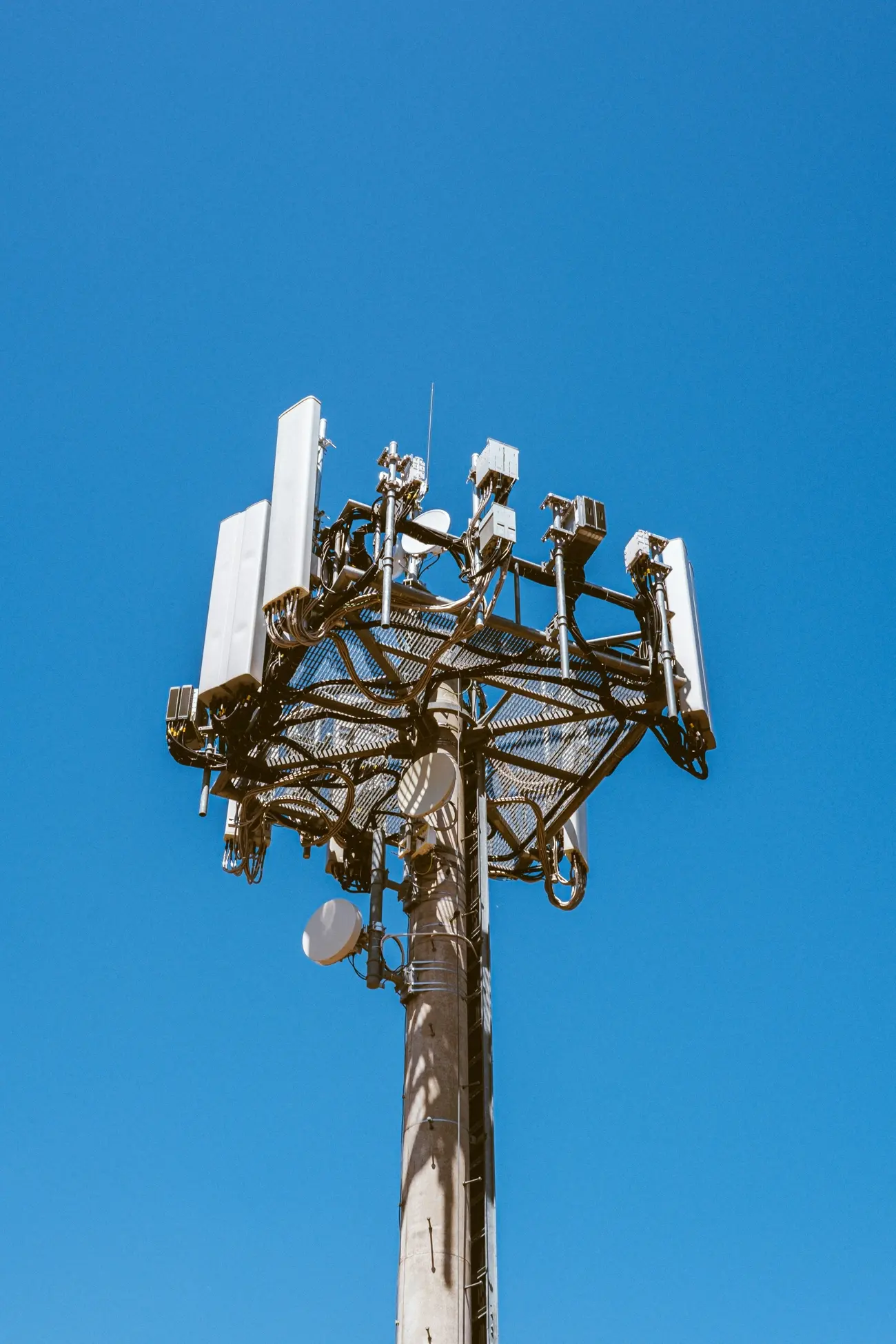
Telecom and network infrastructure
01 The Communication
01 — TELECOM

The Communication

The telecom system can see the numbers, SIMs, devices and network activity involved in a communication.

Digital payment
02 The Money
02 — BANKING

The Money

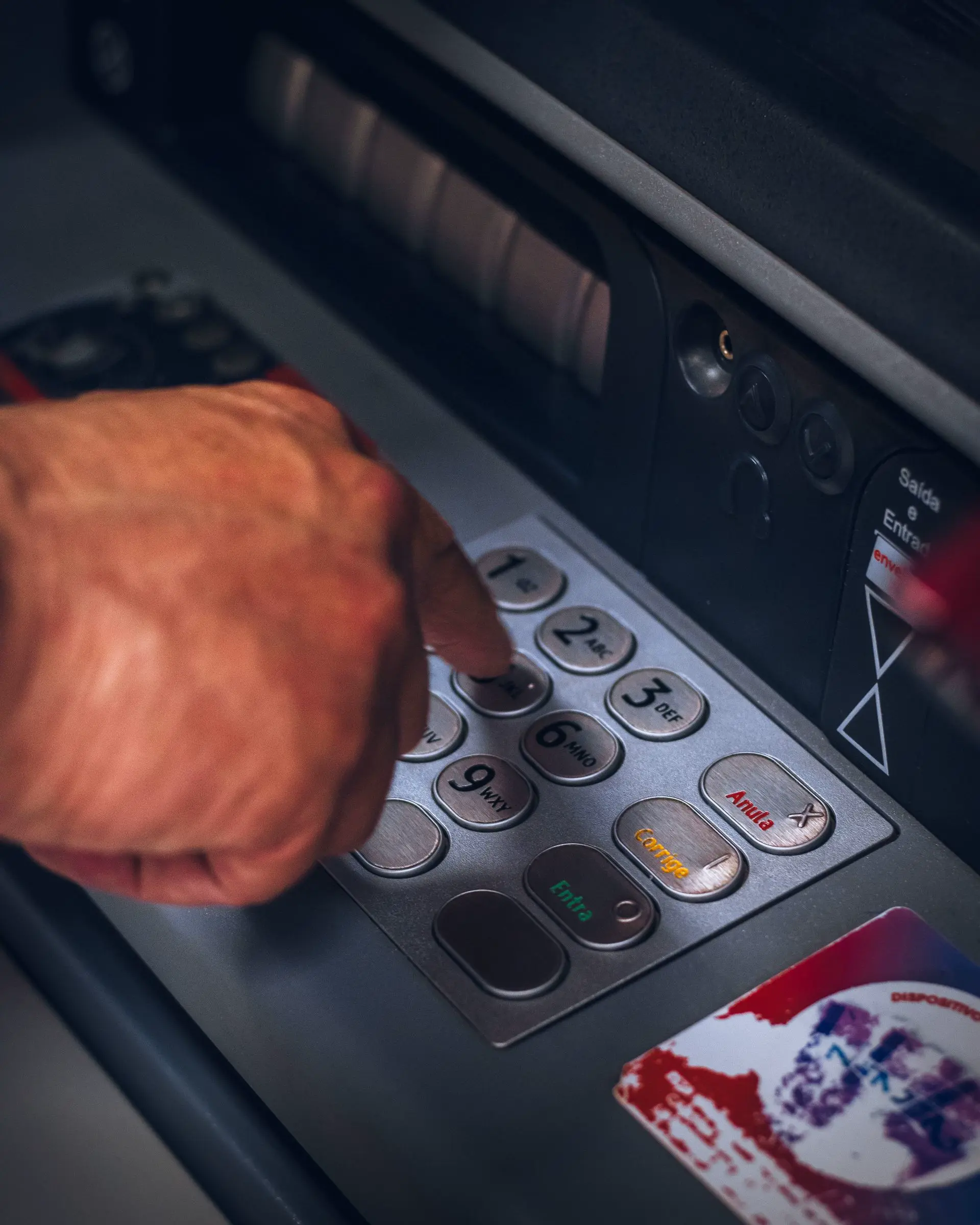
The banking system can see accounts, transactions, beneficiaries and the movement of funds through its own network.

Digital communications infrastructure
03 The Interaction
03 — PLATFORM

The Interaction

Digital platforms can see accounts, logins, devices, IP addresses, messages and other activity taking place on their services.

Police control room
04 The Incident
04 — POLICE

The Incident

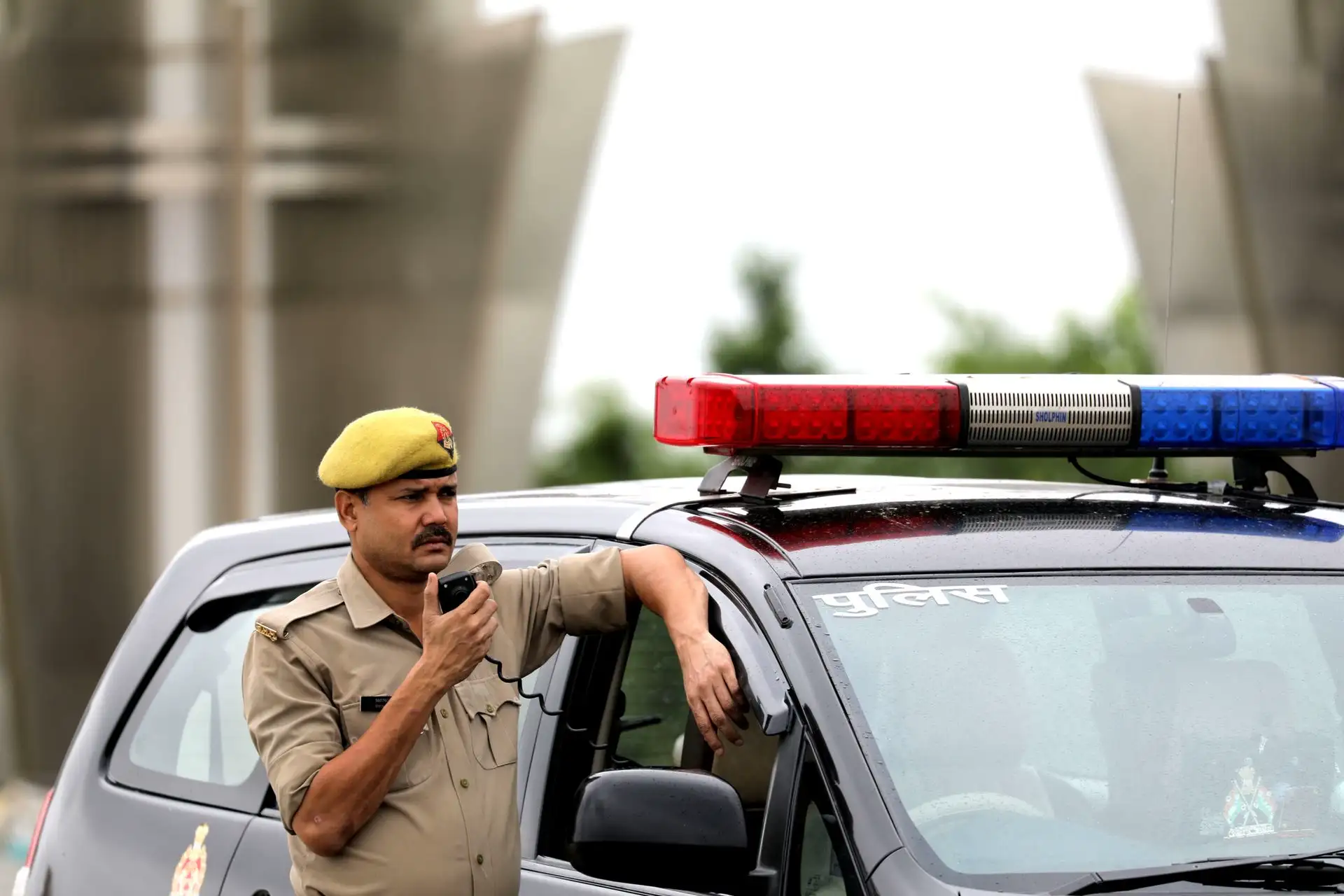
Law enforcement sees the reported incident: the victim, the loss, the available evidence and the investigation that follows.

Tree branches in gloomy weather
The Missing Layer

We already have the signals, we need connections & memory.

Every complaint, account, device, transaction and investigation leaves something behind. But that knowledge is often held in separate systems and separate cases. A shared & connected cyber memory would allow new incidents to be understood against what has already been seen.

The answer is not another database or another platform.
Empty Meeting Room
Strategic Alignment & National Enquiries

Three Questions to Ponder

If an armed syndicate took ₹60 crore a day at gunpoint, tanks would roll. Why does it change because they used an OTP?

Every 24 hours, ₹61.6 crore is siphoned from pensioners, small businesses, and students—wired straight into industrial cyber compounds across Southeast Asia.

  • We treat a physical intrusion of five meters across our sovereign border as a national security emergency.
  • We treat a digital intrusion draining twenty-two thousand crore rupees a year as an individual police complaint.

Cybercrime belongs on the National Security agenda alongside border security and currency defense.

You are paying for cybercrime right now—even if you have never lost a single rupee.

Cybercrime is not an isolated misfortune for someone else. It is a compounding penalty levied on your daily life, your freedom, and your trust in the system:

  • You lose your peace: 102 hours a year spent in chronic suspicion—hesitating before answering a courier call, verifying an SMS alert, or transferring money to family.
  • The Economy slows down: Banks, payment networks, and merchants absorb thousands of crores in defensive friction—erecting cooling periods, arbitrary transaction limits, and delayed settlements that drag down commerce.
  • Public trust erodes: When 24 lakh complaints yield under 2% convictions, citizens quietly lose faith in police desks, financial institutions, and digital governance.

Fraud is an ecosystem-wide deadweight tax. No single institution can defend itself in isolation.

Can we solve this by building another national mega-database?

Every crisis tempts us to build one giant warehouse. Against borderless syndicates, that instinct fails for three reasons:

  • Fraud moves in seconds; databases move in days: A mule account is emptied across five banks in under six minutes. By the time an alert is typed into a central portal, the stolen funds have already left the country.
  • Institutions cannot surrender their private ledgers: Banks will never hand customer transactions to telcos, and telcos cannot expose live call records. Centralization demands they surrender sovereignty—which they never will.
  • The syndicate’s greatest advantage is our silence: Fraud thrives because our institutions defend in silos. They don’t need to share private vaults; they just need an instantaneous danger signal.

The answer is not a bigger database, but a shared reflex. Just as UPI connected payments without merging banks, cyber defense needs an open public protocol. Leave sovereign data where it lives, and connect only verifiable danger signals in real time.

Engagement

Collaborate & Get Involved

This is a work in progress by the Center for Digital Public Goods (CDPG), IIM Bangalore and iSPIRT volunteers. If you work on cybercrime, digital infrastructure, public systems, or regulatory policy, and have ideas, experience, research, questions, or perspectives that could help shape the work, get in touch.

Get in Touch →
Open Call

Contact

Keshav Bhardwaj
Center for Digital Public Goods,
Indian Institute of Management Banagalore.
Email: keshav.bhardwaj[@]iimb.ac.in

Official References

Verified Sources & Citations

1. MHA / I4C, Govt. of India (Feb 2026) 24,02,579 complaints; ₹22,495 Cr losses in 2025.
PIB PRID: 2226441
2. Govt. of Sikkim (March 2025) General Budget 2025–26 Net Expenditure: ₹16,196 Cr.
Sikkim Budget Gazette
3. Ministry of Rural Development Revised MGNREGA Notified Wage Rate (₹298.80/day).
PIB PRID: 2279660
4. Department of Space / ISRO Chandrayaan-3 approved project outlay (~₹615 Crore).
PIB: Chandrayaan-3 Mission Profile
5. McAfee State of Scamiverse (2026) 102 hours spent evaluating authenticity; 63% risk feeling.
McAfee 2026 Press Release
6. Rajya Sabha Unstarred Q2954 (2026) 76,657 cybercrimes against women; 45,832 harassment cases.
Rajya Sabha Q2954 PDF
7. Nature Portfolio (2026) Qualitative victim-centric analysis of emotional trauma in India.
Nature HSSC Study 2026
8. UNODC Cybercrime Modules 10 & 12 Interpersonal harm, privacy infringement, and dignity.
UNODC Sherloc Modules
Visual & Editorial Assets

Credits & Attribution

All visual media and video backgrounds utilized under verified free-to-use licenses from Pexels License and Unsplash License.

server-cables-still.webp
Dima Krivoy · Pexels ↗ · License
server-running.webm
Dima Krivoy · Pexels ↗ · License
indian-man-in-train-coach-using-phone.webp
Abhishek · Pexels ↗ · License
India-Currency-Zoomed-IN.webp
Ishant Mishra · Unsplash ↗ · License
indian-college-students-sitting-laughing.webp
Arto Suraj · Pexels ↗ · License
sikkim-gangtok-hills-buildings.webp
Amshiv_VIP · Pexels ↗ · License
labourer-indian-mnrega.webp
RAJA HASAN · Pexels ↗ · License
labourer-shoveling-sand-wheelbarrow-construction-site.webm
aksinfo7 universe · Pexels ↗ · License
chandrayaan-3-launch.webp
ISRO / SDSC-SHAR · Wikimedia Commons ↗ · GODL-India
chandrayaan-launch.mp4 / .webm
ISRO / SDSC-SHAR · Official Launch Telecast ↗ · GODL-India
indian-man-in-train-coach-seeing-phone.webp
Abhishek · Pexels ↗ · License
indian-woman-sad-head-down.webp
Ketut Subiyanto · Pexels ↗ · License
indian-woman-shocked-sad.webm
Ketut Subiyanto · Pexels ↗ · License
young-man-holding-head-in-hands.webp
Francisco Gonzalez · Unsplash ↗ · License
papers-multiple-stacks.webp
Valentin Sarte · Pexels ↗ · License
cable-wires-server.webp
Brett Sayles · Pexels ↗ · License
woman-checking-time.webp
Portraits By PB · Pexels ↗ · License
broken-puzzle-pieces.webp
Alicia Christin Gerald · Pexels ↗ · License
light-in-fog.webp
Ahmet Yüksek · Pexels ↗ · License
investigation-board.webp
cottonbro studio · Pexels ↗ · License
torn-page.webp
Bon Bons Studio · Pexels ↗ · License
car-accident.webp
Boost Media-Marketing · Pexels ↗ · License
cell-tower.webp
Nathan Anderson · Unsplash ↗ · License
atm-machine.webp
Eduardo Soares · Pexels ↗ · License
instagram-login-page.webp
Brian Ramirez · Pexels ↗ · License
indian-police-talkie.webp
112 Uttar Pradesh · Pexels ↗ · License
tree-branches.webp
Kris Møklebust · Pexels ↗ · License
varanasi-ghats-ganges.webm
meeting room.webp
Sonny Sixteen · Pexels ↗ · License